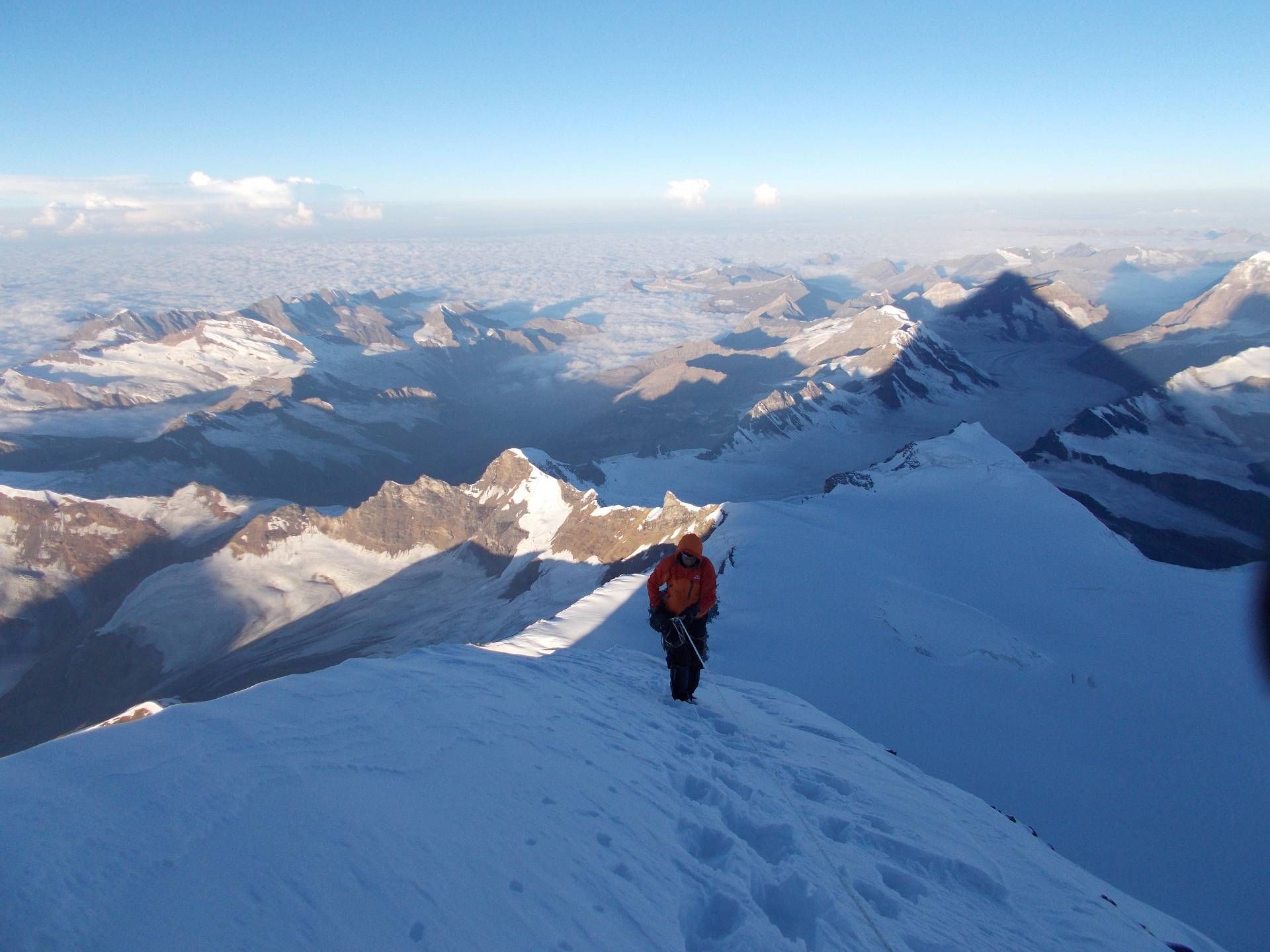
Conquer the Mountains of Ladakh: Join the Ultimate Tsomothang Peak Expedition
About the Experience
“Few have dared. Fewer have succeeded. Will you be among them?”
In the mystical landscapes of Ladakh, where the sky stretches endlessly and the mountains breathe ancient silence, there stands a peak untouched by the crowds — a summit reserved only for the bold.
Welcome to Tsomothang Peak (6,320 meters) — a remote and technically challenging expedition for those who seek more than just another climb.
This is not your average Himalayan trek. This is a true alpine adventure, an exploration into the rugged heart of Ladakh, designed for the rare few who dare to test their limits, chase solitude, and stand where few feet have trodden.
About Tsomothang Peak
- Location: Western Ladakh, near the Markha Valley and Yurutse region.
- Altitude: Approx. 6,320 meters (20,734 feet).
- Grade: Alpine PD–AD (Technical Snow Climb).
- Panoramic Views: Stok Kangri, Kang Yatse, Zanskar Range, and on clear days, the Karakoram.
- Significance: A lesser-known Himalayan gem offering real mountaineering in raw, untouched terrain — perfect for climbers progressing from trekking peaks to technical summits.
Who Should Join the Tsomothang Expedition?
This expedition is ideal for:
- Experienced trekkers with one or more climbs over 5,500–6,000 meters.
- Mountaineers who have attempted Stok Kangri, Kang Yatse II, Mentok Kangri, or equivalent peaks.
- Adventurers looking to test their skills on a semi-technical ascent.
- Solo travelers, mountain clubs, or teams seeking a non-commercial, high-altitude expedition.
Why This Expedition is Unmissable
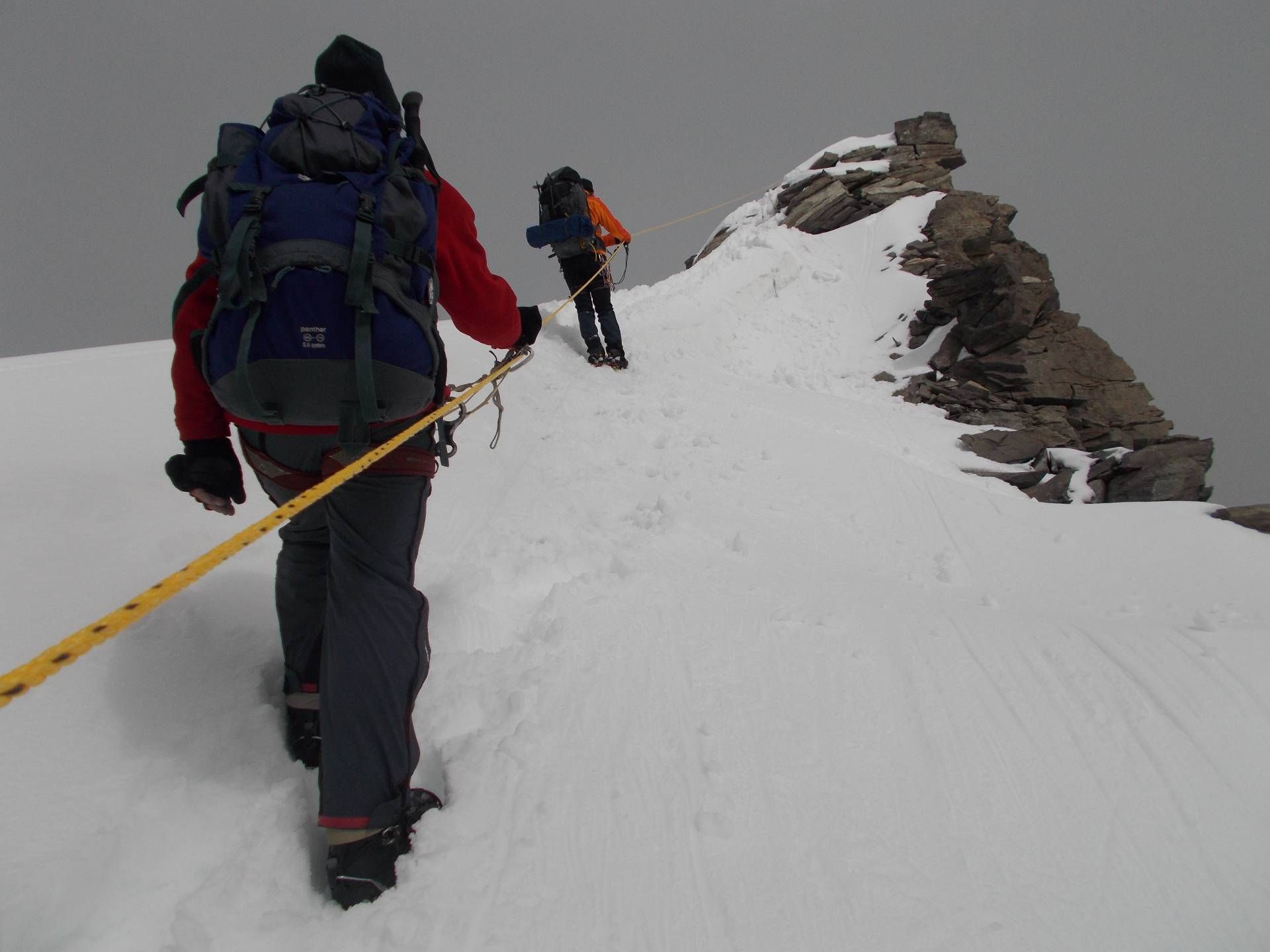
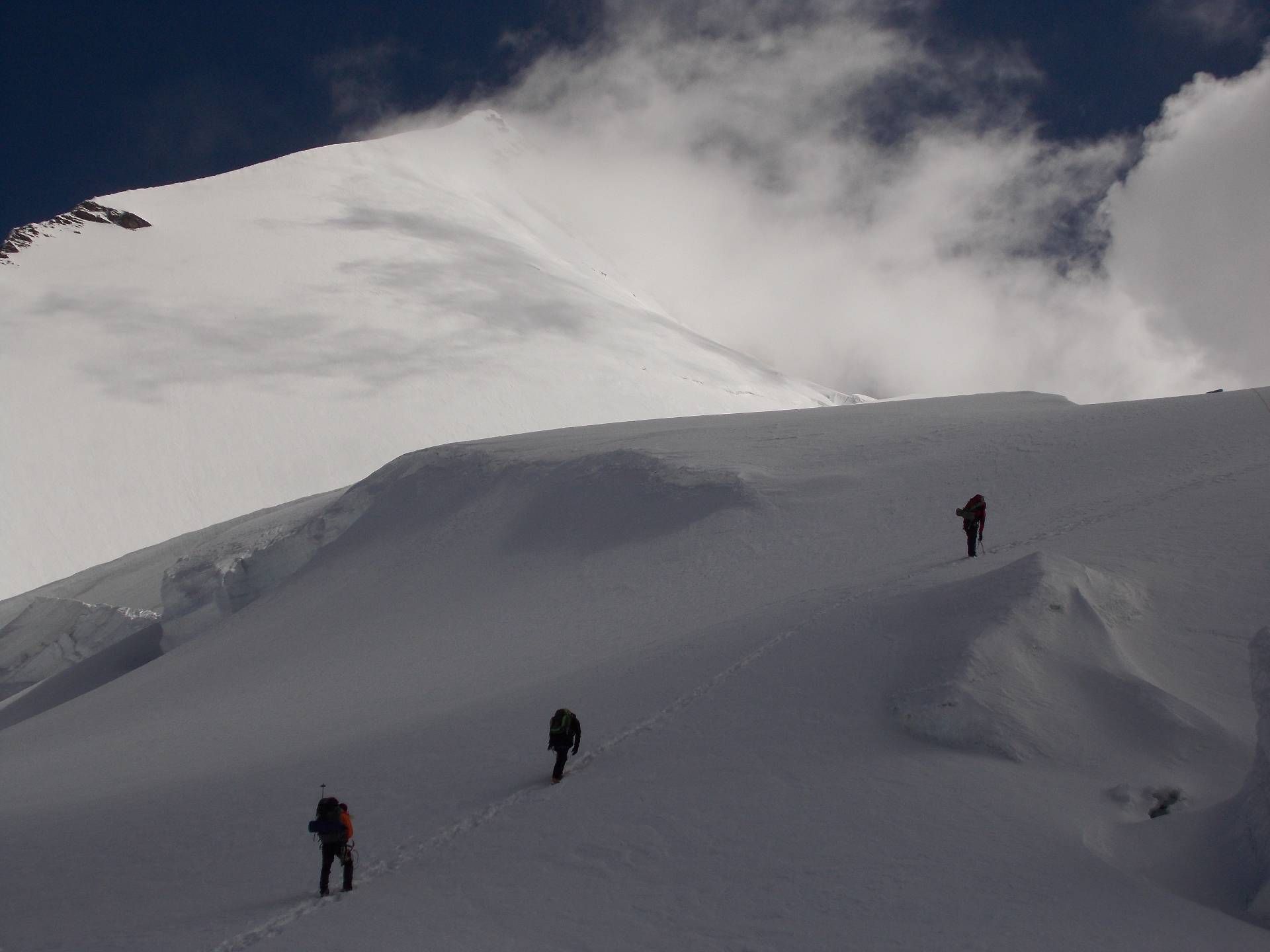
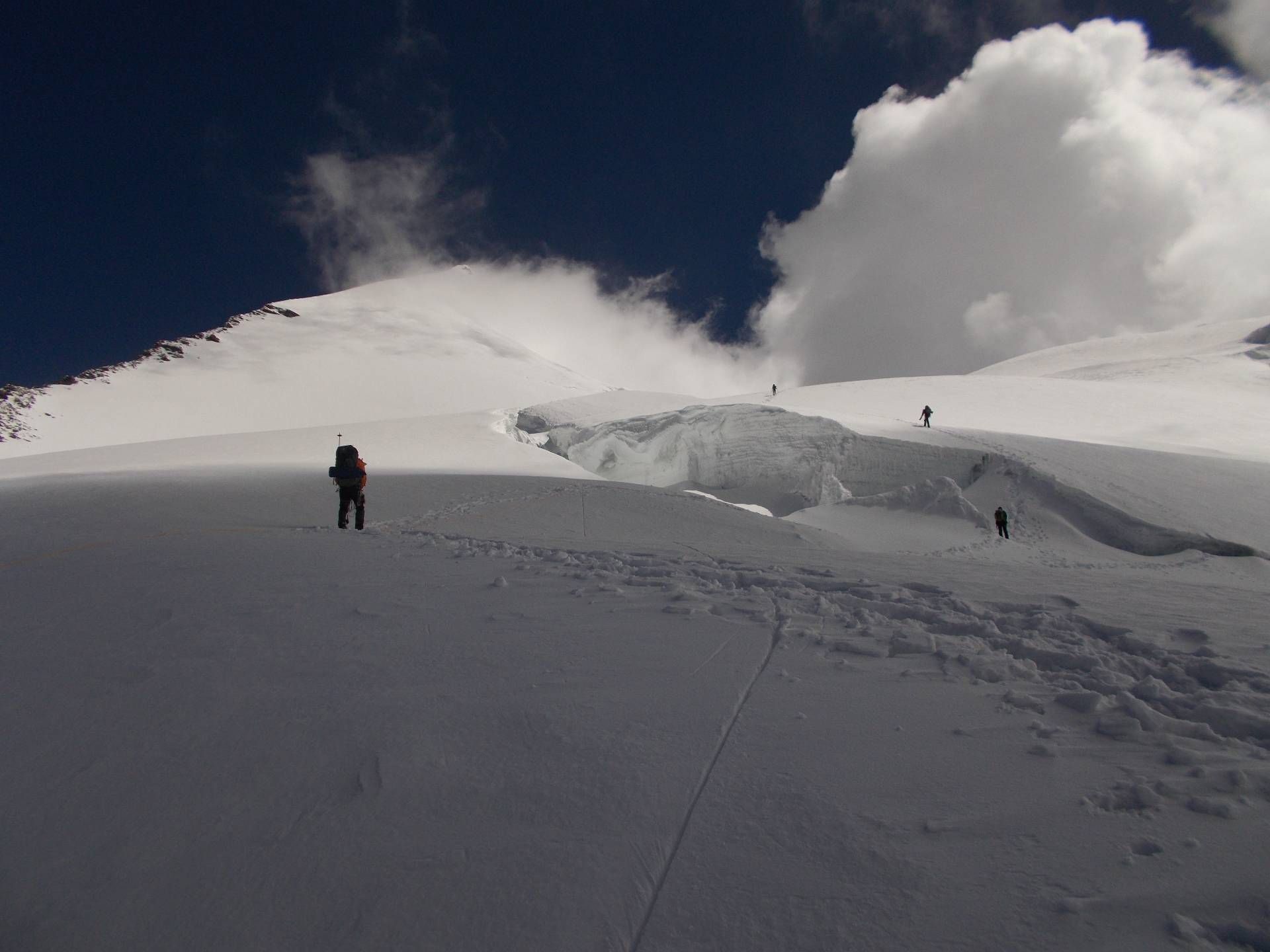
- Alpine Ascent with Technical Elements: Snow slopes, ridgelines, and roped glacier travel under certified guides.
- Raw & Remote Landscape: Explore deep into Ladakh’s untraveled high-altitude wilderness.
- Low Crowds, High Reward: A rare climb with very few annual summits, offering complete mountain solitude.
- Summit Worth the Struggle: Experience the triumph of a true 6,000m+ peak and gain altitude mountaineering credibility.
Detailed Itinerary
Day 1: Arrival in Leh (3,500 m)
- Airport pick-up and transfer to hotel
- Briefing on acclimatization and expedition overview
- Complete rest for altitude adaptation
- Overnight in Leh
Day 2: Acclimatization Hike – Leh Local
- Light trek to Shanti Stupa, Leh Palace, or Namgyal Tsemo
- Optional short hike to a ridge near Thiksey Monastery
- Gear check and introductions with the expedition team
- Overnight in Leh
Day 3: Acclimatization Drive – Khardung La (5,360 m)
- Drive to Khardung La, one of the world’s highest motorable roads
- Short acclimatization walk and photo stop
- Return to Leh for rest and hydration
- Overnight in Leh
Day 4: Drive to Chilling & Trek to Skiu (3,400 m)
- Drive to Chilling via the Indus–Zanskar confluence (2–3 hrs)
- Cross Zanskar River via pulley bridge or footbridge
- Trek through a beautiful gorge to reach Skiu village
- Overnight in homestay/tent
Day 5: Trek from Skiu to Markha (3,700 m)
- Follow the Markha River valley, crossing streams and small bridges
- En route visit local monasteries and chortens
- Camp at Markha village, known for ancient ruins and stupas
- Overnight in tents
Day 6: Trek from Markha to Yurutse (4,200 m)
- Trek through narrow canyons and grazing pastures
- Reach Yurutse, a remote settlement near the base of Ganda La
- Great views of Stok range and Kang Yatse
- Overnight in tents
Day 7: Trek to Tsomothang Base Camp (~5,200 m)
- Continue off the main trekking route toward Tsomothang glacier basin
- Gradual climb through alpine meadows and moraine zones
- Set up Base Camp with mess, toilet, and gear tents
- Overnight in tents
Day 8: Acclimatization and Technical Training
- Acclimatization hike to nearby ridges or towards Advanced Base Camp
- Training on snow techniques: ice axe use, crampon walking, ropework
- Review summit plan and team responsibilities
- Overnight at Base Camp
Day 9: Load Ferry to Advanced Base Camp (ABC – ~5,600 m)
- Porters and support team ferry gear to ABC
- Light rest day for climbers with optional hike
- Final summit gear review
- Overnight at Base Camp
Day 10: Move to Advanced Base Camp (ABC)
- Trek up glacier or scree ridge to reach ABC
- Set up high camp in alpine conditions (minimalist setup)
- Rest, hydrate, and prepare for summit push
- Overnight in alpine tents
Day 11: Summit Day – Tsomothang Peak (6,320 m)
- Alpine start (1:00–2:00 AM) Climb snow slopes, glaciated terrain, and exposed ridgelines
- Summit Tsomothang! – Enjoy panoramic views of Zanskar, Stok, Kang Yatse, and Karakoram
- Descend to ABC or Base Camp (weather dependent)
- Overnight at ABC or BC
Day 12: Buffer / Weather Contingency Day
- Extra day reserved in case of bad weather, slow ascent, or acclimatization issues
- Rest and celebration if summit already completed
- Overnight at BC
Day 13: Trek Back to Yurutse or Markha
- Begin the return journey
- Enjoy relaxed descent through scenic valleys
- Camp near Yurutse or Markha, depending on route
- Overnight in tents
Day 14: Trek to Skiu & Drive Back to Leh
- Trek to Skiu, where vehicle awaits
- Drive back to Leh via Chilling
- Hot shower, rest, and celebratory dinner with the team
- Overnight in Leh
Day 15: Departure from Leh
- Airport drop-off based on flight schedule
- Expedition ends with memories, stories, and summit glory
Accommodation
Expedition Highlights:
- Remote and pristine trail through Markha Valley and beyond.
- Real mountaineering experience with training and summit strategy.
- Dedicated acclimatization schedule for safe altitude gain.
- Tsomothang Peak (6,320 m): A non-commercial, high-value 6,000er.
- Full support team with guides, porters, cook, and safety equipment.
What’s Included
- Certified UIAA climbing guides and Sherpa team.
- All local permits and Inner Line Permit (ILP).
- Transport: Leh ↔ Trailhead (Chilling/Skiu).
- Tents (dome and alpine), mess and toilet tents, kitchen crew.
- High-altitude meals, snacks, and clean drinking water.
- Medical kit, pulse oximeter, and emergency oxygen.
- Ropes, snow stakes, anchors (group technical gear).
- Satellite phone or walkie-talkies for remote communication.
- Summit certificate and digital media from the expedition.
Safety & Support
We put your safety above all else:
- Progressive altitude gain with 3+ acclimatization days.
- Trained crew with high-altitude medical response skills.
- Daily health monitoring: O₂ saturation, heart rate, hydration.
- Evacuation-ready logistics with backup routes and porters.
- Emergency satellite communication system in place.
Best Time to Climb
The ideal climbing season is mid-June to early September, when:
- Snow is stable and manageable.
- Skies are clearer, especially during summit mornings.
- Temperatures are optimal at Base and High Camps.
Physical Fitness & Preparation Tips
Tsomothang is for fit and prepared climbers. You should be able to:
- Trek for 6–8 hours per day with a 6–8 kg backpack.
- Sleep and function well above 5,000 meters.
- Handle basic mountaineering tasks like crampon walking, roped climbs, and steep ascents.
Pre-Trip Training Plan:
- Cardio: Running, cycling, or HIIT (4×/week for 8–12 weeks).
- Stair climbing with weight: Simulates real expedition load carrying.
- Strength training: Focus on legs, core, and back.
- Altitude prep: Weekend hikes, if accessible.
- Mental prep: Meditation, breathing exercises, cold exposure.
Sample Gear Checklist
- Down jacket (800 fill), thermal layers, shell jacket.
- Mountaineering boots (B2/B3) and compatible crampons.
- Climbing helmet, ice axe, and harness.
- Sleeping bag rated to -15°C or lower.
- Trekking poles, gaiters, and headlamp.
- Personal first aid kit, glacier glasses, and SPF 50+ sunscreen.
A full gear checklist will be shared upon booking.
Why Book With Altitude Adventure
- 10+ years of Himalayan expedition excellence.
- Experienced local guides who know the terrain intimately.
- High summit success rate on lesser-known peaks.
- Small group sizes for maximum support and safety.
- Transparent pricing with ethical portering and sustainable practices.
- 5-star testimonials from global trekkers and climbers.
Visual Storytelling for Web/Landing Page
- Drone shots of Tsomothang Peak and Base Camp.
- Team clips of training on the glacier.
- Summit celebration photos with surrounding 6,000ers.
- High-altitude camp life and short expedition film snippets.
Call to Action: Ready to Answer the Call of the Mountains?
This is not a tourist trail. This is an expedition. Will you rise to the summit?
[Book Now] — Limited seats for this season
[Inquiry Form] — Get your gear list and itinerary delivered to your inbox
[Chat with a Mountain Advisor] — WhatsApp now
Early Bird Bonus: Free gear consultation + branded trekking tee (for bookings before [insert date]).
What's Included
- Full boarding and all logistics as per itinerary
- Professional IMF certified guides and leaders
What's Not Included
- Personal expenses and insurance
- Any item not mentioned in inclusions
Essential Things to Carry
Best Time to Visit
Peak Season
June to September
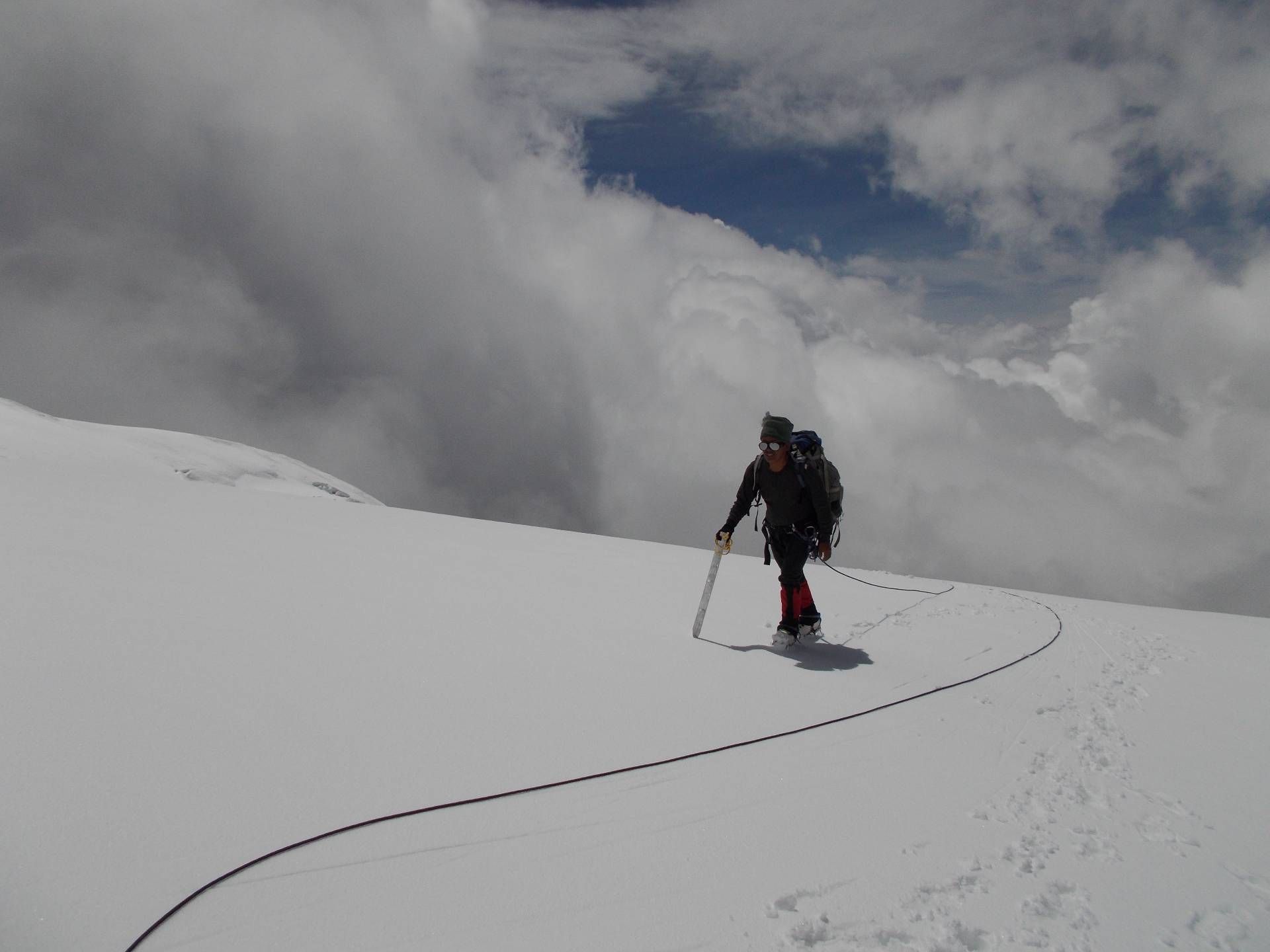
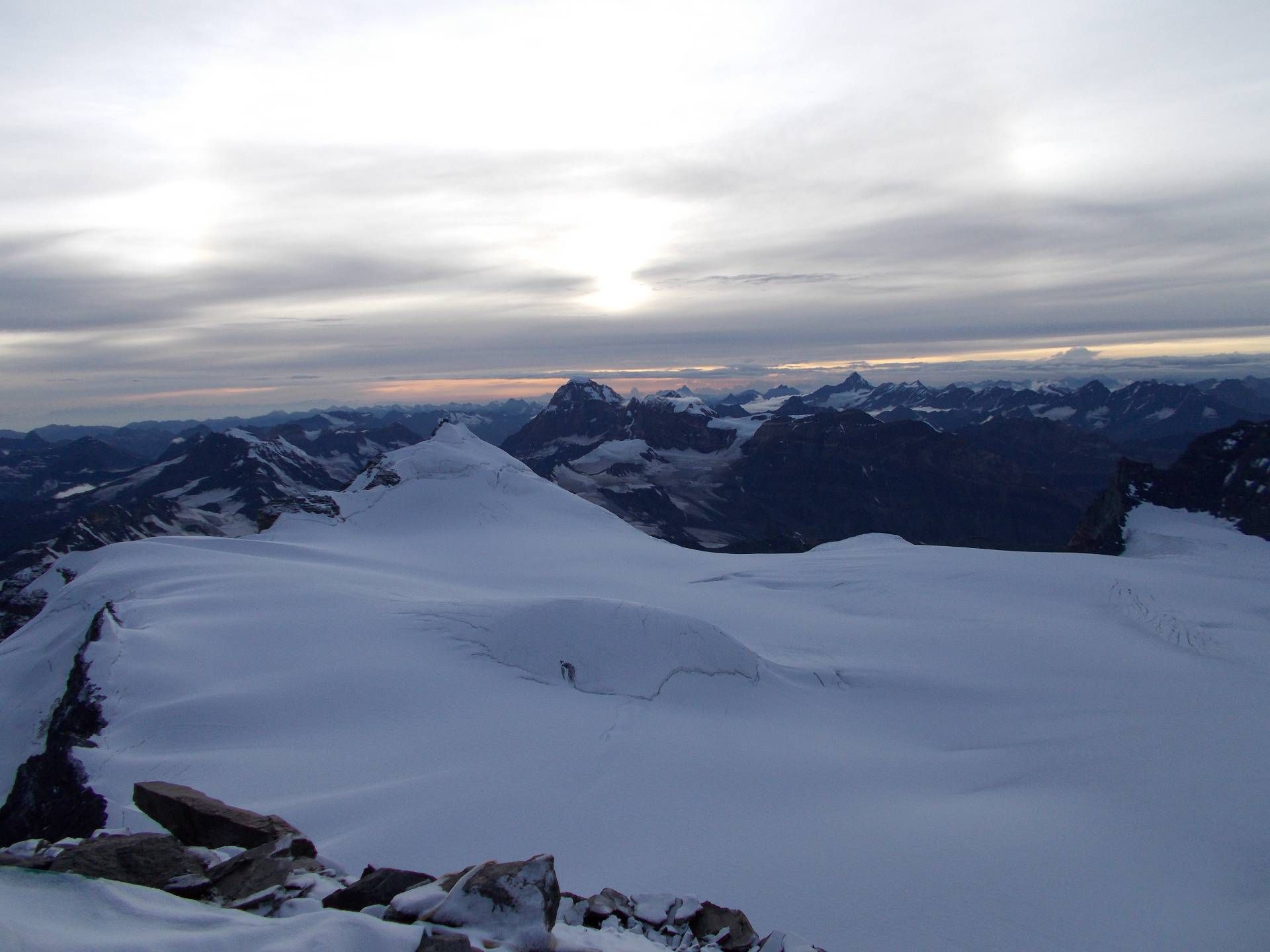
Experience Gallery
Package FAQ
Tsomothang Peak is situated in Western Ladakh, near the Markha Valley region, between Yurutse and the Stok Kangri range. It lies in a remote, high-altitude glacial zone offering pristine wilderness and incredible views.
Tsomothang Peak stands at approximately 6,320 meters (20,734 feet), placing it among the significant 6,000m+ climbing peaks in Ladakh.
Tsomothang is considered a semi-technical alpine climb:
- Grade: PD to AD (Alpine rating).
- Requires proper use of crampons, ice axe, and roped glacier travel.
- Summit day is long, strenuous, and exposed to high altitude and rapid weather changes.
This expedition is suitable for experienced trekkers and intermediate mountaineers.
Yes, you should have:
- At least one high-altitude trek or climb (5,000m+).
- Familiarity with snow conditions and basic mountain terrain.
- Willingness to undergo technical training at Base Camp.
Prior experience on peaks like Stok Kangri, Kang Yatse II, or Kilimanjaro is strongly recommended.
The expedition spans 15 days (Leh to Leh), including:
- Acclimatization in Leh
- Trekking through Markha Valley
- Base Camp setup
- Summit attempt with a buffer day
- Return and cultural exposure
- Less commercialized – very few teams climb this peak annually
- Offers greater wilderness solitude
- Slightly more technical and remote
- Ideal for climbers looking to go off the beaten track
The ideal climbing season is mid-June to mid-September, offering:
- Stable weather
- Clear summit conditions
- Safer snow slopes and better access to remote valleys
- Leh: Clean hotel/guesthouse (twin-sharing)
- Trek: Homestays in villages (Markha/Skiu), alpine tents during camping phases
- Base & Advanced Camps: High-quality mountaineering tents with mess and toilet setup
You’ll need both trekking and technical gear, including:
- Layered clothing (base layers, insulation, waterproof shells)
- Mountaineering boots (B2/B3 preferred)
- Crampons, ice axe, helmet, harness
- Headlamp, trekking poles, gaiters, sunglasses, and gloves
A full gear checklist will be provided after booking. Rental gear is available.
Yes, since the peak is over 6,300 meters. To mitigate risks, we follow:
- A slow, structured acclimatization schedule
- Multiple rest days and active acclimatization hikes
- Daily monitoring of oxygen saturation and pulse
- Emergency oxygen and descent strategy in place
Yes. At Base Camp, our guides conduct hands-on sessions in:
- Ice axe usage
- Crampon walking
- Fixed rope techniques (ascend/descend)
- Rope safety and glacier travel
Absolutely! Many climbers join solo. We match participants into compatible teams and offer a safe, supportive group environment.
Your team will include:
- Expedition Leader (certified with UIAA/NIM credentials)
- Climbing Sherpas or high-altitude guides
- Local porters and kitchen staff
- Medical backup and satellite communication
- 1:2 or 1:3 guide-to-climber ratio on summit day
- Mobile connectivity is available in Leh only
- No signal beyond Chilling
- We carry satellite phones and radios for safety and emergency coordination
- All permits and logistics
- Accommodation and meals (Leh and trek)
- Guide fees, porterage, cook, and tents
- Technical gear (ropes, anchors – shared)
- Medical kit and satellite comms
- Transport from Leh to trek start point and return
- Summit certificate and digital photos
- Flights to and from Leh
- Personal climbing gear (boots, axe, etc.) – rentals available
- Meals in Leh (except breakfast)
- Travel insurance, evacuation costs, tips, personal expenses
You should be able to:
- Trek 6–8 hours per day at high altitude
- Carry a 6–8 kg backpack
- Function well above 5,000 meters for multiple days
We recommend 8–12 weeks of training including cardio, strength, and hiking practice.
Your safety comes first. In such cases:
- A team member will escort you to Base Camp
- You’ll be medically supported and monitored
- The rest of the team continues under safety protocols
- 30+ days before trip: 75% refund
- 15–29 days: 50% refund
- <15 days: No refund (but partial credit may be given depending on circumstances)
- Click on “Book Now” or fill out the inquiry form.
- Our mountain advisor will contact you for:
- Fitness screening
- Gear list & preparation plan
- Final itinerary and payment details
Yes, all climbers receive a personalized certificate upon completing the summit.
Yes! Add-ons include:
- Tso Moriri lake exploration
- Nubra Valley & Pangong Lake tours
- Cultural trips to Lamayuru, Hemis, or Alchi monasteries
Rs 1900
- Instant Confirmation
- Secure Payment
- 24/7 Customer Support
Questions? Call us
+91 1982 255555
Questions?
Send an Enquiry
Our experts will get back to you within 24 hours.
You Might Also Like
View All Tours
Conquer the Mountains of Ladakh: Join the Ultimate Chakula Peak Expedition
Conquer the Mountains of Ladakh: Join the Ultimate Kun Peak Expedition